So you've decided to upgrade from those old mini blinds in your living room and bedroom. They get the job done for privacy—keeping prying eyes out at night—but they don't quite match the elegant look of the smart shades and automated blinds you've seen in friends' homes. The convenience of pressing a single button to raise or lower all your shades simultaneously is incredibly appealing. Plus, this is a perfect opportunity to refresh your home's color scheme and protect your furniture and artwork from sun damage.
Before you start shopping for motorized shades, what key factors should you consider? Here are the five essential things to become familiar with to make the best choice for your home.
1. Understanding Motorized Shade Operating Systems
At their core, motorized window coverings operate using one of two main systems: a roller system or a stacking system.
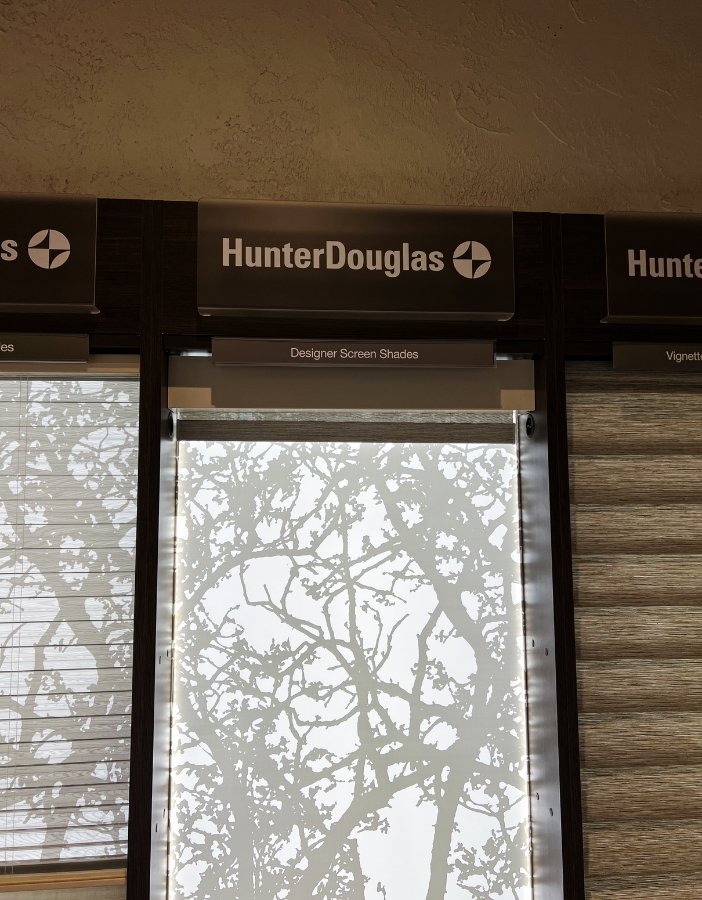
- Roller Systems: These are two-dimensional, using flat fabrics that roll up and down on a cylinder. Think of it like a roll of paper. They are a popular choice for roller shades and offer a sleek, modern look. Keep in mind there will be a small light gap between the shade fabric and the window frame when the shade is fully lowered.
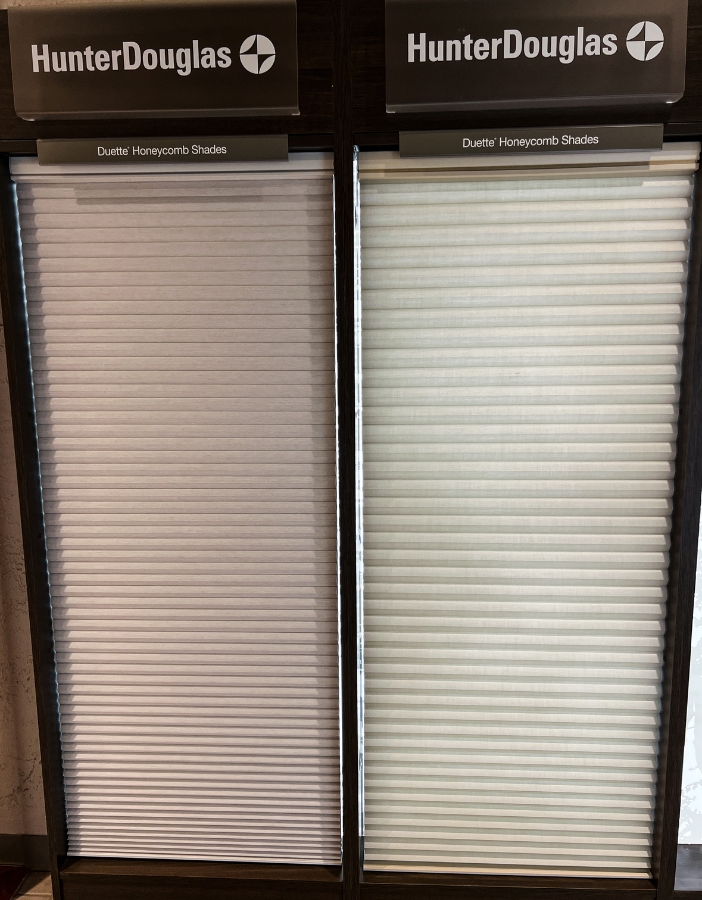
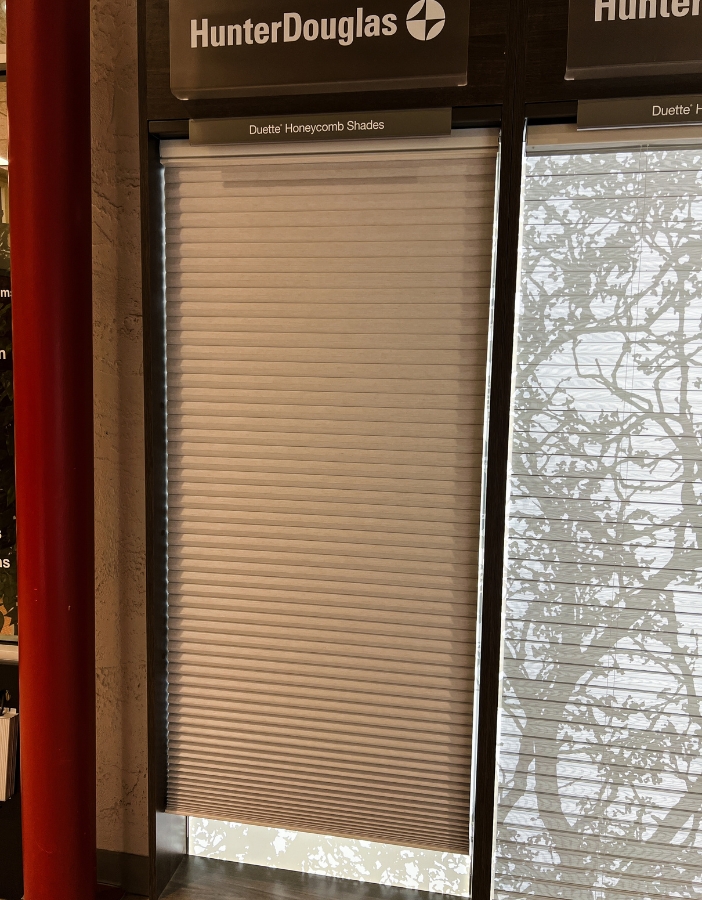
- Stacking Systems: These are more three-dimensional, with the fabric stacking neatly as the shade is raised, similar to traditional mini-blinds. This includes popular styles like Roman shades and cellular shades (honeycomb shades). Stacking systems typically have smaller light gaps on the edges, and some styles, like cellular shades, also offer excellent energy efficiency benefits.
Both systems are operated by a motor, which is either hard-wired into a remotely-mounted power supply or powered by a convenient rechargeable battery.
2. Choosing the Right Fabric for Light Control and Privacy
The fabric you choose is crucial for determining the light and privacy levels in your space. Fabrics are generally categorized as:
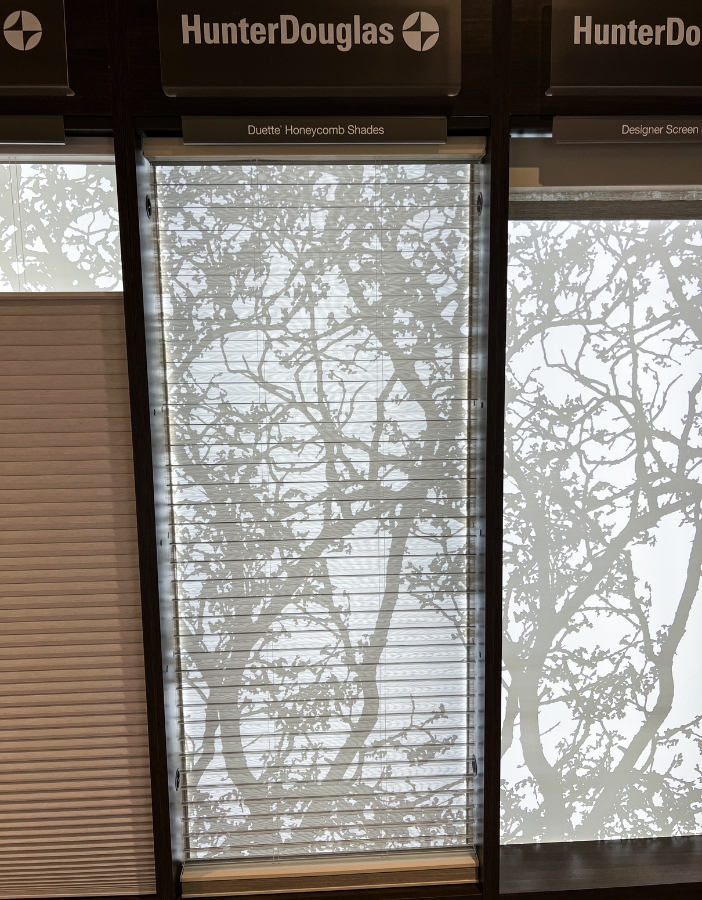
- Sheer: These fabrics allow the most light to pass through, creating a soft, diffused glow. They offer the least privacy, as silhouettes may be visible from the outside at night. Light-colored sheers reduce heat (IR) and UV damage while preserving your view, while dark-colored sheers virtually disappear during the day, maximizing your view of the outdoors.
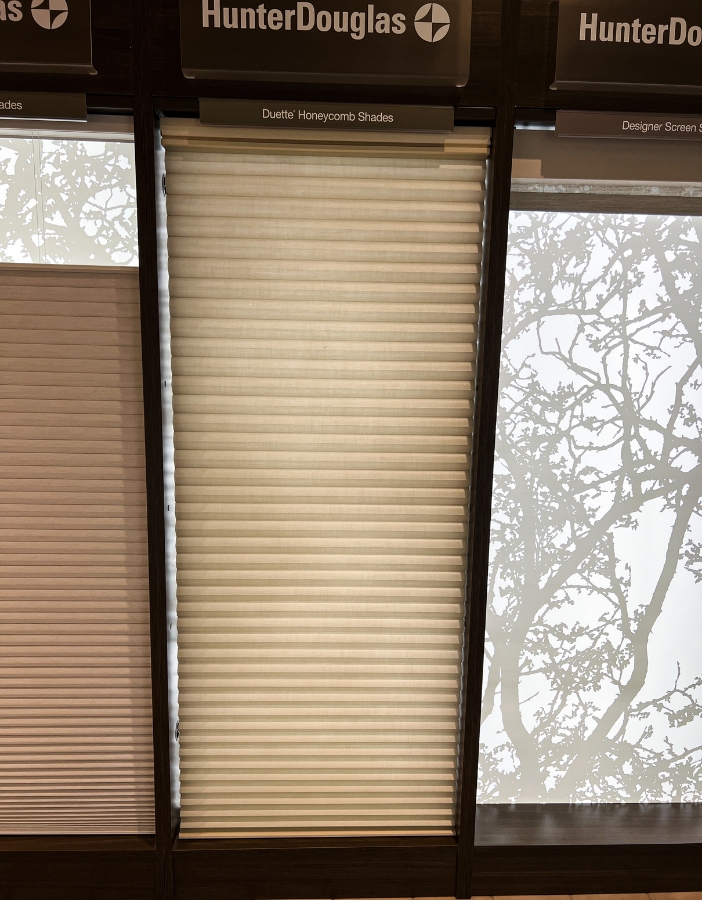
- Light Filtering (Semi-Opaque): This is an excellent choice for living areas. Light filtering fabrics significantly reduce UV and IR rays while still allowing natural sunlight to brighten the room. They provide good privacy, making them a popular choice for family rooms and dining areas.
- Room Darkening (Opaque): Designed to block most light, these fabrics are perfect for bedrooms, home theaters, or any room where you need minimal light. When paired with side channels, they create a true "blackout" shade, ensuring no light leaks around the edges.
3. Exploring Power Options for Your Smart Shades
There are two primary ways to power your automated window treatments:
- Hard-Wired Power: This option is ideal for new construction or major remodels where wiring can be integrated into the walls, providing a clean, permanent power source from a central location.
- Rechargeable Battery: For existing homes or retrofits where you don't want visible wires, rechargeable batteries are the perfect solution. Most battery-powered shades only need to be charged every six months or so, making them an easy and convenient way to add home automation to any room.
4. Deciding on Your Desired Light Control and Aesthetics
A great starting point is to choose light filtering fabrics for your main living areas and room-darkening shades for bedrooms. Beyond that, select colors and textures that complement your existing home decor. For the ultimate flexibility, some manufacturers offer innovative dual-fabric shades—for example, a sheer fabric and a room-darkening fabric on a single motor. This "holy grail" of home automation allows you to seamlessly switch between two levels of light control, giving you a wider range of options to achieve the perfect ambiance.
5. DIY vs. Professional Installation: The Smart Choice
While manual shades might seem easy to install, getting motorized window coverings right is much more complex. For flawless performance, they must be perfectly level and properly sized. Professional measurement is essential, as most windows are not perfectly square.
That's where a professional AV company comes in. Our experienced installers will handle everything: taking precise measurements, placing your order, and expertly installing and programming your new automated shades to ensure they work perfectly. We back our work with a full-year warranty, giving you peace of mind that your investment in home automation is protected and set up for long-term enjoyment.