When choosing speakers, you’ll often hear them described as warm, bright, or neutral. These tonal signatures reflect how a speaker’s drivers, crossovers, and cabinet design influence sound. Understanding these differences and how to pair them with the right amplifier can dramatically improve your listening experience.
Rather than just chasing specs or basing it on other people’s reviews, it’s important to know what kind of sound signature appeals to your ear. Some listeners value smoothness and musicality, while others crave detail and sparkle, or prefer complete accuracy. Let’s break down these categories and explore how to build a system that matches your taste.
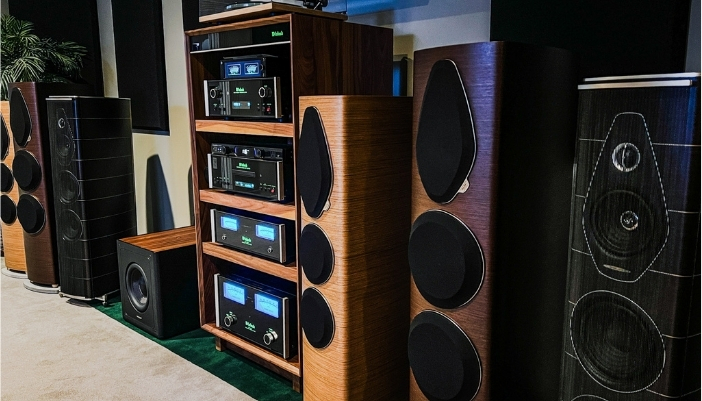
Warm-Sounding Speakers
A warm sounding speaker produces a smooth, rich presentation that emphasizes midrange and bass frequencies while softening the treble. This creates an inviting, easy to listen to character that many people describe as “analog” or “musical.” Warm speakers excel at drawing you into the performance, allowing instruments and vocals to feel full bodied without being overly analytical.
They are often a natural fit for vinyl, jazz ensembles, acoustic recordings, or vocal heavy tracks, where richness and texture bring music to life. In many cases, warm speakers pair beautifully with tube-based setups, creating a system that feels lush, immersive, and forgiving of less than perfect recordings.
Key Characteristics of Warm Speakers
Rolled off or softer treble that avoids sharpness, giving a more relaxed and non-fatiguing presentation, perfect for the everyday jazz listener. Enhanced midrange presence for vocals and acoustic instruments and a full, rounded bass response.
Keep these in mind when finding the perfect amp to pair with your speakers, as an amp that tends to lean into warmth itself can lead to a more muddled midrange, depending on your genre of choice. Solid state amplifiers with a brighter or more neutral tone can lead to a very pleasant experience for some. Think of it as a lime that cuts through the heat of a very spicy dish. It doesn’t change or get rid of the overall tone, but it does bring out some subtle nuances you may not have heard before!
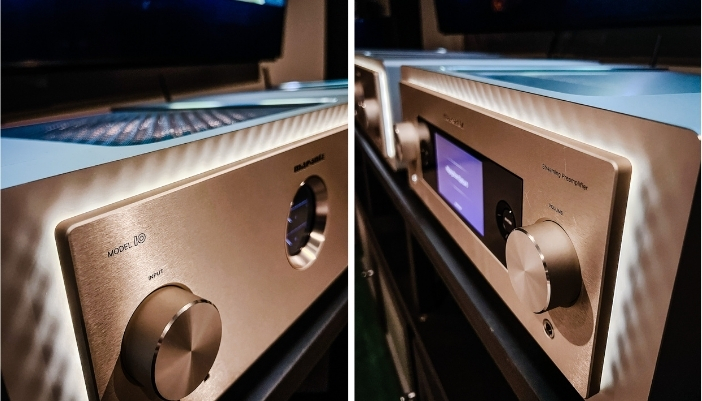
Best Amplifier Pairings for Warm Speakers
- Solid-state amps with a clean, detailed voice, ensuring warmth doesn’t become overly thick or muddy
- High-current amplifiers that maintain bass control without sacrificing smoothness
- Popular pairings include McIntosh solid-state designs, Naim amplifiers, or modern Class D amps with precise output
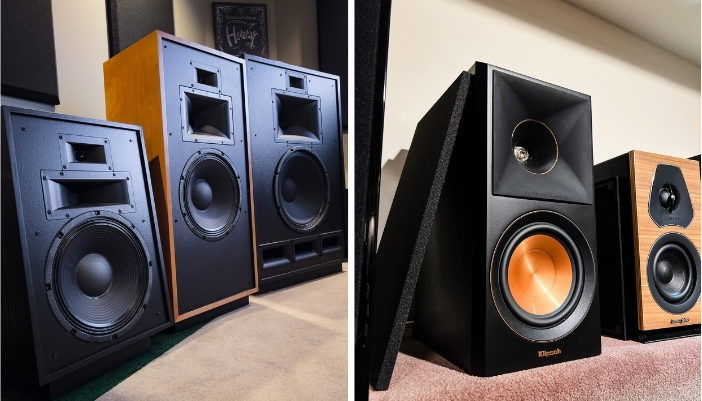
Bright Sounding Speakers
Bright speakers give emphasis to treble and upper midrange frequencies, giving them a crisp, dynamic sound. They’re often described as lively, forward, and detailed. This balance can bring out the shimmer of each cymbal crash, the texture of each guitar strum, and the articulation of each note coming from the vocalist, making them a strong choice for rock, EDM, and home theater setups where excitement and impact matter.
However, brightness can come with trade offs. While detail lovers appreciate the added clarity, these speakers can sound fatiguing over long sessions for some. For this reason, amplifier choice and room setup become especially critical. The right amp can smooth and balance a bright speaker, while the wrong one can enhance the harshness for some. Bright speakers really shine (pun definitely intended) with tube amplification, as it cuts through what some perceive as harshness, unveiling a very detailed and pleasant listening session.
Key Characteristics of Bright Speakers
- Enhanced treble response and upper midrange clarity.
- Crisp, highly revealing presentation.
- Vocal forward soundstage, usually projecting the vocalist closer than the band.
- Can highlight flaws in recordings
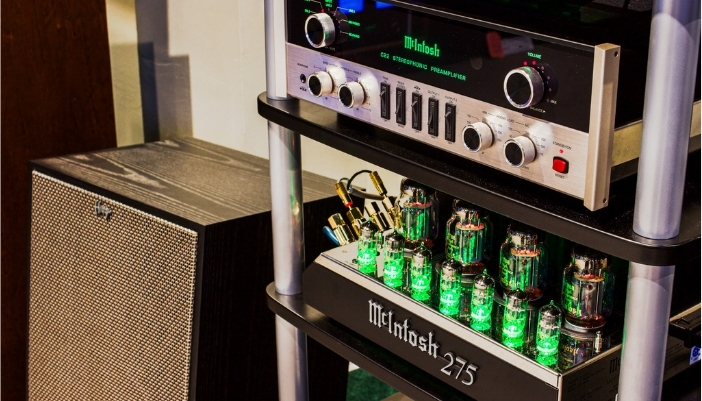
Best Amplifier Pairings for Bright Speakers
Tube amplifiers or Class A solid-state amps that soften treble and add harmonic richness. Warm voiced solid state amps that bring balance without losing detailIdeal matches include PrimaLuna and McIntosh tube designs. Some find that the Marantz Integrated amps also give you that tube like warmth on bright speakers!
Neutral Sounding Speakers
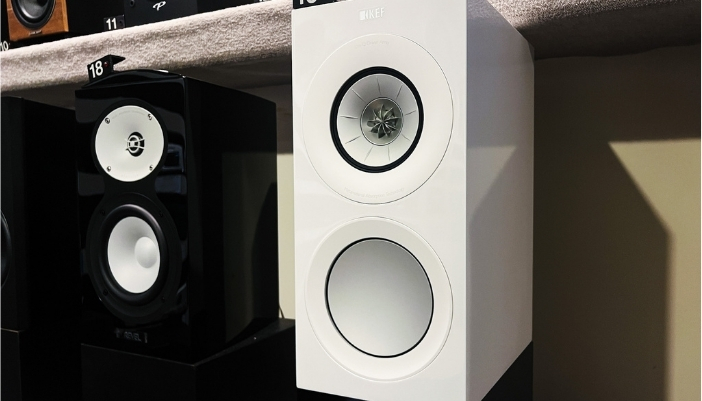
Neutral speakers are designed to reproduce music as faithfully as possible, without the addition of brightness or warmth. They aim for a flat frequency response, where lows, mids, and highs are presented evenly. The result is a transparent, honest soundstage that reveals what’s actually in the recording.
Neutral speakers are especially valued in studios and critical listening setups, but they’re also an excellent choice for audiophiles who listen across many genres. They don’t exaggerate one part of the spectrum to another; they allow you the flexibility to pair with different amplifiers, giving you the ability to fine tune your system’s character.
Key Characteristics of Neutral Speakers
- Balanced frequency response with no unnatural emphasis
- Transparent, detailed reproduction of the original recording
- Accurate soundstage with strong imaging, making you feel like the band is playing in front of you.
- Adaptable to many types of music and listening environments
Best Amplifier Pairings for Neutral Speakers
Neutral solid state amplifiers for accuracy and detail, ideal for those who want to hear the recording “as is”
Slightly warm voiced amps for listeners who want to add a touch of smoothness to the presentation
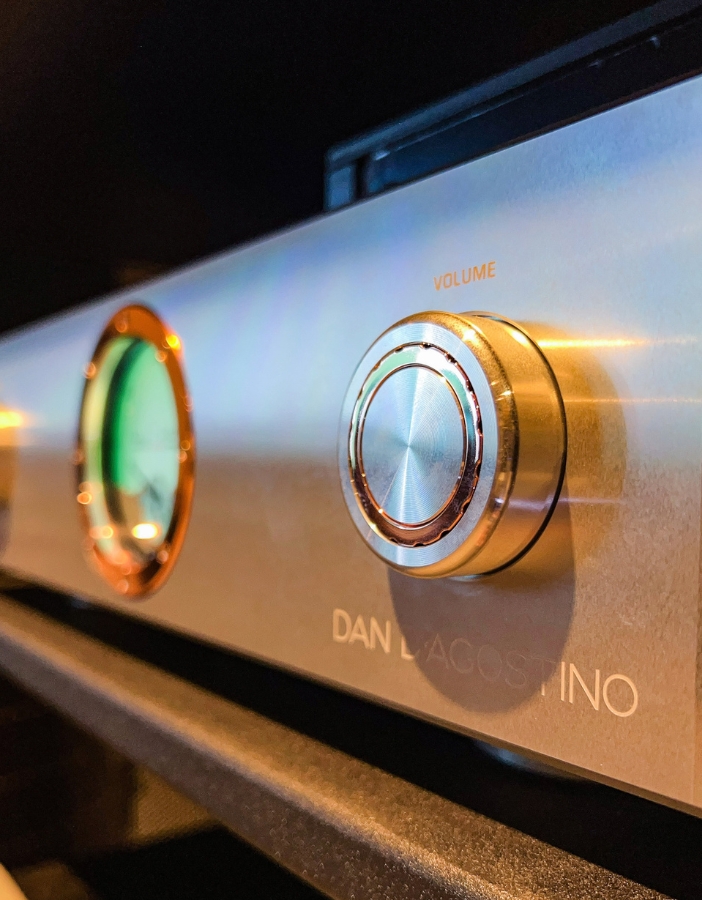
Recommended options include Dan D’Agostino, Anthem, Musical Fidelity, for a slightly warmer feel, Marantz, and McIntosh make wonderful pairings, for a brighter edge, Naim and Denon’s high current Integrated amps would work wonderfully!
The Role of Drivers and Design
A speaker’s tonal character—whether warm, bright, or neutral comes largely from its drivers and crossover design:
Tweeters often define brightness or smoothness. Metal dome tweeters tend toward brightness, while soft dome tweeters sound warmer.
Midrange drivers shape body and texture. Their tuning determines whether vocals sound forward (bright) or rounded (warm).
Woofers affect bass weight and speed. Larger woofers create fullness, while smaller ones deliver tight precision.
Crossover design ensures these elements blend properly; poor crossovers can exaggerate tonal imbalances.
These design factors explain why two speakers with similar specs can sound radically different.
Matching Speakers and Amps: The Balancing Act
The most successful systems achieve tonal balance:
- Warm speakers + detailed amp = richness with clarity
- Bright speakers + warm amp = energy without fatigue
- Neutral speakers + flexible amp choice = accuracy with tuning options
Your room acoustics also play a major role. Hard, reflective rooms amplify brightness, while heavily furnished rooms absorb highs and accentuate warmth. Combining thoughtful speaker selection with the right amplifier creates a system that’s uniquely yours. Finally, do not underestimate the power of room correction on your amplifier, giving you more control over how the system sounds in your space.
Final Thoughts
Understanding whether a speaker is warm, bright, or neutral goes beyond audio buzzwords, they may help you make better choices for your listening space. However, at the end of the day, the best thing you can do is listen to different styles and pick out what is most pleasant for your ears. Everyone hears differently and will have different preferences. There is no “right or wrong,” Only what’s right and wrong for you!
In the end, the “best” sound is the one that makes you want to keep listening. The right pairing will not just play your music it will bring it to life.